Boris Pavlikovsky
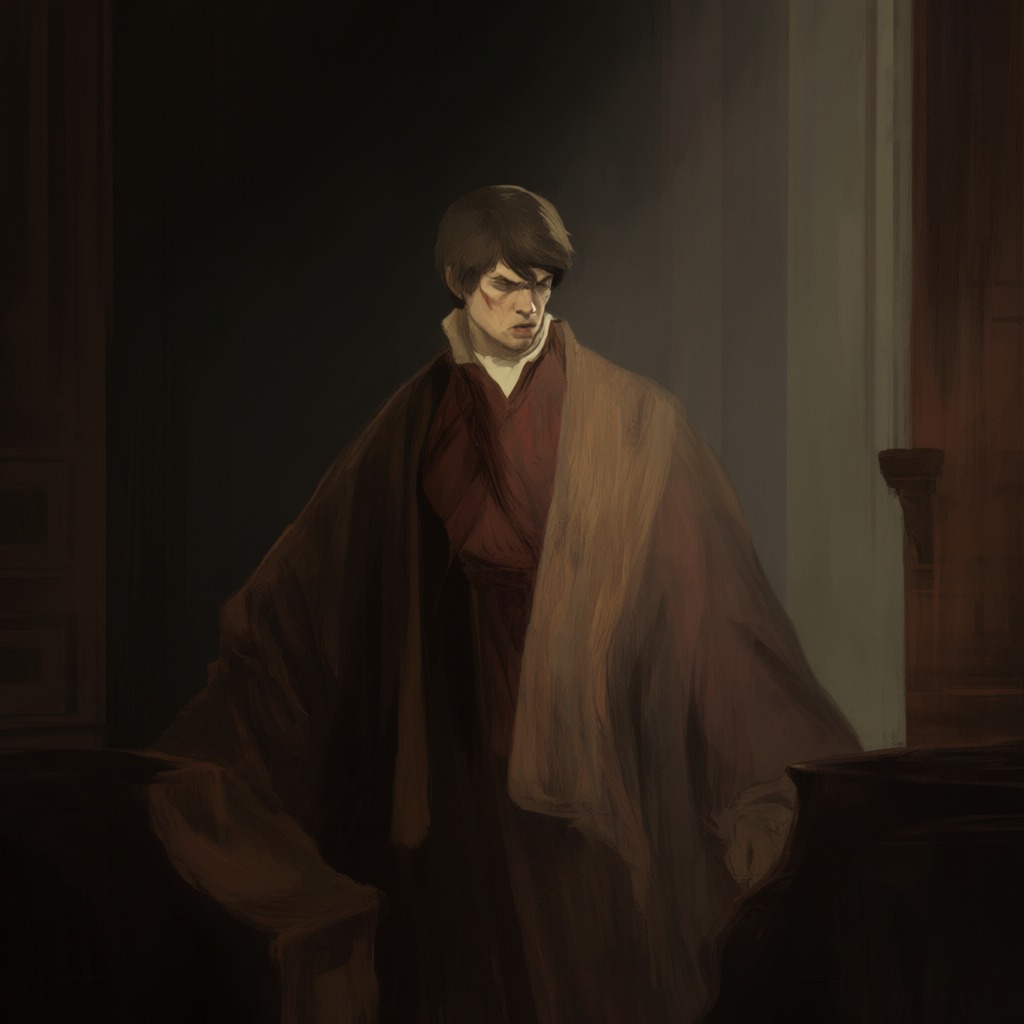
Boris Pavlikovsky enters Theodore Decker's life in a Las Vegas high school classroom, a pale, thin, and unkempt foreigner with lank dark hair and a sharp, contemptuous laugh. He is a boy who has lived everywhere and nowhere—Russia, Scotland, Australia, Poland, New Zealand, Texas, Alaska, New Guinea, Canada, Saudi Arabia, Sweden, Ukraine—and speaks a slurry of languages, his English carrying a strong Australian accent with dark undercurrents of Slavic gutturals. His mother, an alcoholic, died after falling from a window; his father, a mining engineer, is a violent drunk who beats him. Boris is a survivor, a thief, and a budding alcoholic who has already had sex, ridden a camel, caught malaria, and set off dynamite. He immediately sizes up Theo, calling him "Harry Potter" for his tortoiseshell glasses and uptown clothes, and an unlikely, inseparable friendship is born.
Life in the Desert Wasteland
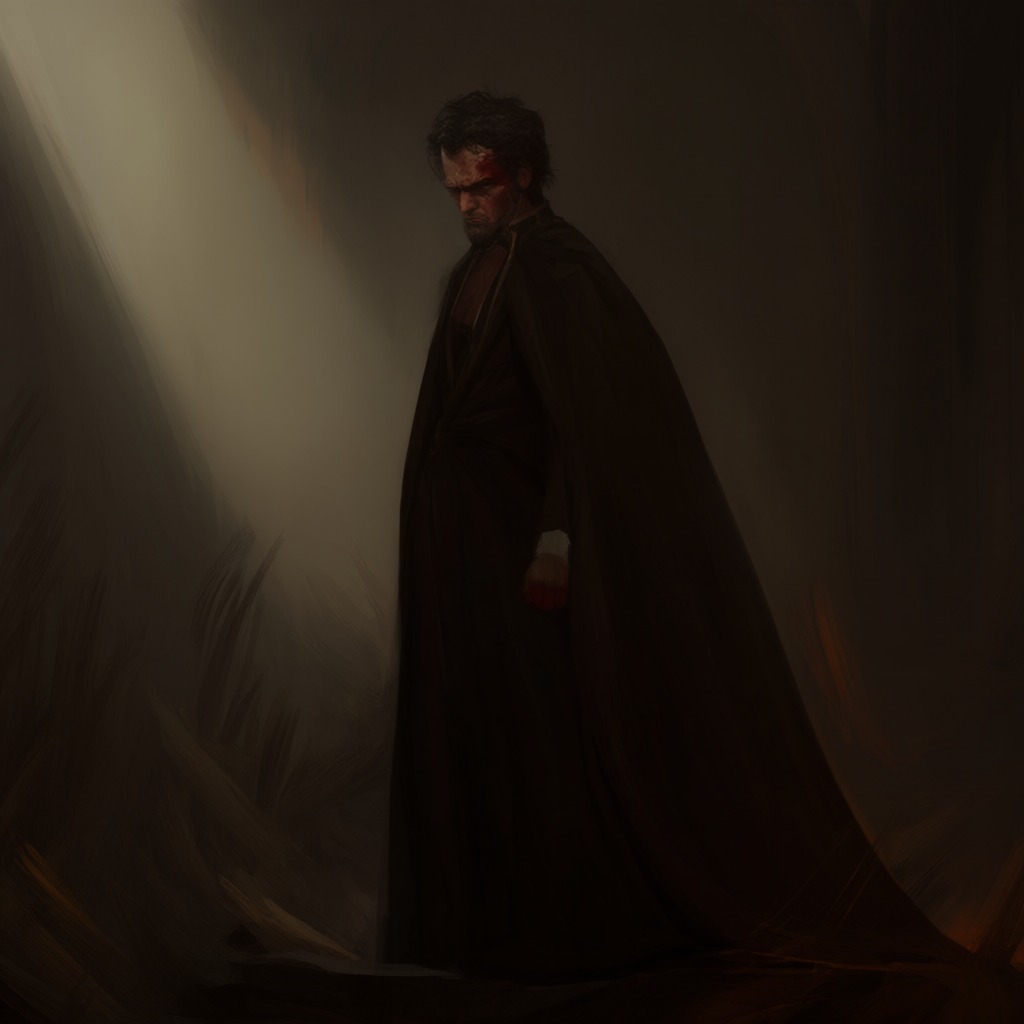
Boris and Theo spend their teenage years in a state of feral, unsupervised freedom in the half-built suburban sprawl of Canyon Shadows. They live on stolen food, shoplifting steaks and butter from supermarkets while Boris, in his oversized gray raincoat, acts as the lookout. They drink vodka, smoke weed, and drop acid, spending nights at the abandoned community center playground, where they lie on the merry-go-round and talk about their dead mothers. Boris teaches Theo to swear in Russian and Ukrainian, and they develop a telepathic bond, able to communicate entire plans with a glance. Boris's home is a bare, gritty house where his father, Mr. Pavlikovsky, a small, intense man with a rabid-fox demeanor, occasionally appears to beat him. After one such beating, which leaves Boris with a bloody nose and a gash on his forehead, they flee to Theo's house, jumping in the pool fully clothed. Their friendship is a chaotic, intense, and deeply loyal alliance against a world that has abandoned them both.
The Theft and the Reckoning
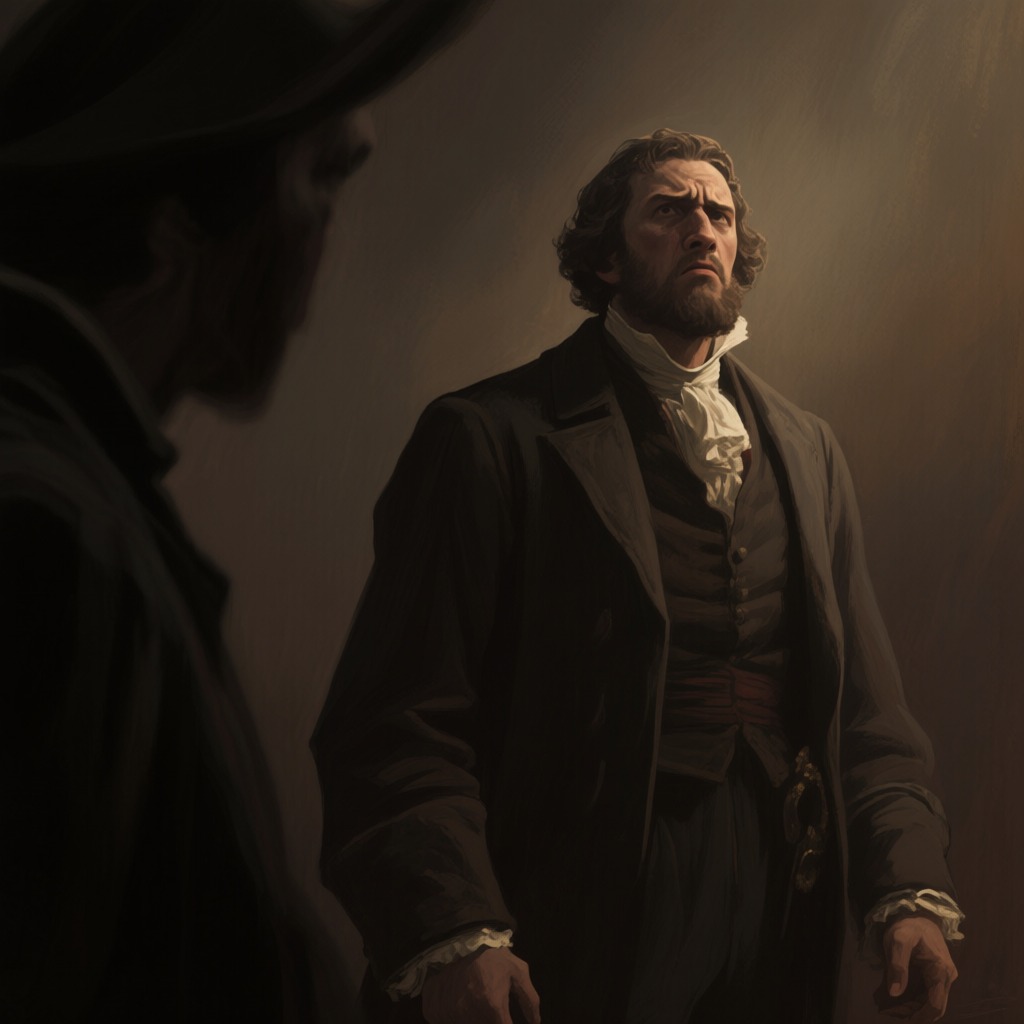
The pivotal betrayal occurs on the night Theo's father dies. In the chaos, Boris, who has discovered the wrapped painting of The Goldfinch in Theo's locker, switches it for a civics workbook. He later confesses that he took it partly for safekeeping, partly because he wanted it, and partly because he saw it as a negotiable instrument. For years, he uses the painting as collateral in criminal deals, moving it through a network of black-market contacts. He feels immense guilt, and when he reappears in New York years later, he is a changed man: wealthy, well-dressed, with a wife and children in Stockholm, but still operating on the fringes of the law. He tracks Theo down, confesses the theft, and vows to make it right. He orchestrates a dangerous plan to recover the painting from a group of criminals in Amsterdam, a plan that culminates in a violent shootout in a parking garage where Theo kills a man. In the aftermath, Boris reveals his true genius: instead of keeping the painting, he has used it to claim a massive reward, returning the artwork to the world and giving Theo a fortune in cash. He frames this as a kind of cosmic justice, arguing that sometimes the wrong path leads to the right destination.
Relationships and Conflict
Boris's relationship with Theo is the novel's most complex and enduring bond. It is a friendship forged in shared trauma, mutual dependency, and a deep, unspoken love that occasionally blurs into physical intimacy, though Boris dismisses it as youthful experimentation. He is fiercely loyal, but also a thief and a liar. He steals Theo's most precious possession, yet he also saves his life and his soul. His relationship with his father is one of terror and grudging respect; he once tried to kill him by locking him out in the snow. With Kotku, a troubled older girl, he is possessive and abusive, hitting her and then justifying it by saying she made him. Yet he also shows a surprising tenderness, stealing a necklace for her and dreaming of a better life. His relationship with the world is one of cynical opportunism, but it is tempered by a strange, almost mystical faith in fate and the interconnectedness of all actions.
Change and Ending
Boris undergoes a transformation from a feral, desperate teenager into a sophisticated, if still morally ambiguous, international criminal. He learns to dress well, to navigate the worlds of high finance and low crime, and to use his intelligence and charm to build a life. The climax of his arc is the Amsterdam operation, where he risks everything not for personal gain, but to make amends to Theo. In the final scenes, he is a man who has found a kind of peace, living in Antwerp, still using heroin on special occasions, but no longer driven by the same desperate hunger. He has learned that the line between good and evil is not always clear, and that sometimes, the most destructive actions can lead to the most profound redemption. He leaves Theo with a fortune and a new understanding of the world, a final gift from a friend who has always been both a curse and a blessing.
Narrative Role and Thematic Significance
Boris functions as the novel's trickster and its unlikely moral compass. He is the character who consistently challenges Theo's rigid, self-lacerating sense of guilt and morality. He embodies the novel's central theme: that life is a chaotic, unpredictable game where good and bad are inextricably linked. His philosophy—that one can take the wrong path and still end up in the right place—directly counters Theo's despair. He is the agent of chaos who ultimately brings order, the thief who returns what was stolen, and the friend who, through his own flawed and violent nature, teaches Theo the most important lesson about love, loyalty, and the strange, redemptive power of chance.
The character of Boris was brought to the screen in a 2019 film adaptation directed by John Crowley for Warner Bros. and Amazon Studios. The role was shared by two actors: Aneurin Barnard portrayed the adult Boris, while Finn Wolfhard played the teenage version. This dual casting mirrored the approach taken for the protagonist Theo Decker, who was played by Ansel Elgort as an adult and Oakes Fegley as a child.